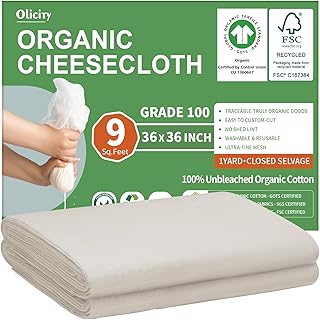
Cheesecloth is one of those humble kitchen essentials that often flies under the radar, yet its versatility is unmatched. This lightweight, gauzy cotton fabric is a powerhouse for straining, filtering, and crafting. Whether you're a home cheesemaker, an avid baker, or a DIY enthusiast, understanding the different types of cheesecloth available is key to achieving the best results in your projects.
What is Cheesecloth and Why is it So Useful?
Traditionally associated with cheesemaking for draining curds, cheesecloth has found its way into countless other applications. Its open weave allows liquids to pass through while trapping solids, making it perfect for straining stocks, clarifying butter, making nut milks, and bundling herbs for bouquets garnis. Beyond the kitchen, it's a favorite for crafts, polishing, and even theatrical costuming due to its ethereal quality.
Understanding Cheesecloth Grades: From Loose to Ultra-Dense
Not all cheesecloths are created equal. They are categorized by grades, which refer to the number of threads per inch. A lower grade (like 10) has a very loose, open weave, while a higher grade (like 100) is much denser.
Grade 100 Cheesecloth, often called "butter muslin," is the finest and tightest weave available. It's ideal for tasks requiring an ultra-fine filter, such as making soft cheeses like ricotta or mascarpone, straining fine particles from broths, or clarifying consommé. Many of the top-rated products on the market, like the Cotton Farm Grade 100 XL Cheese Cloth, boast this ultra-dense weave, ensuring no unwanted sediment passes through.
Key Features to Look For in Quality Cheesecloth
When shopping for cheesecloth, several features determine its quality, durability, and suitability for your needs.
Material and Certification
100% unbleached cotton is the gold standard for food-grade cheesecloth. Unbleached fabric ensures no chemical residues are present, which is crucial for food safety. For the eco-conscious cook, options like Organic Cheese Cloths with GOTS certification offer a sustainable and health-conscious choice.
Construction and Durability
Look for cheesecloths with hemmed or closed edges. This prevents fraying and makes the cloth much more durable and reusable. A product like the 12Pcs Reusable Cheese Cloths with hemmed 4 edges is built to last through many washes, making it a cost-effective and eco-friendly option compared to single-use varieties.
Size and Convenience
Cheesecloth comes in various sizes, from small precut squares to large yards. Precut packs, such as the 6-Pack Beige Cheesecloth or the Precut Cheesecloth 4 Pack, offer incredible convenience, eliminating the need for cutting and measuring. They are perfect for quick tasks like cooking turkey (for wrapping herbs inside the bird) or straining a batch of fresh juice.
Top Uses for Your Kitchen Cheesecloth
The applications for this simple fabric are nearly endless. Here are some of the most popular uses:
Cheesemaking: This is its namesake use. Grade 100 cheesecloth is essential for draining whey from curds to make paneer, queso fresco, or farmer's cheese. For a comprehensive look at this process, check out our Ultimate Guide to Grade 100 Cheesecloth.
Straining and Clarifying: Use it to strain yogurt to make Greek yogurt or labneh, clarify butter into ghee, or remove impurities from homemade broths and stocks.
Baking and Cooking: Bundle spices for easy removal from soups and stews. It's also famously used to wrap a turkey or chicken with herbs and butter under the skin for added flavor and moisture.
Juicing and Nut Milks: A fine-weave cheesecloth is perfect for squeezing the last bits of juice from pulp or straining homemade almond or oat milk to achieve a smooth, silky texture.
Crafts and More: Its lightweight nature makes it excellent for Halloween costumes, ghost decorations, fabric dyeing, or as a gentle polishing cloth.
Choosing Between Bleached and Unbleached
You'll find both bleached and unbleached options. Unbleached, natural cotton is generally preferred for food-grade fabric as it contains no chemical bleaching agents. Bleached cheesecloth, like the GoodCook Everyday Cotton Cheesecloth, is often brighter white and may have a slightly stiffer feel initially. For an in-depth comparison, our GoodCook Cheesecloth Guide covers its specific uses and benefits.
Care and Maintenance for Reusable Cheesecloth
One of the best investments you can make is in reusable cheesecloth. After use, rinse it immediately under cold water to remove food particles. Then, wash it in warm, soapy water. You can machine wash on a gentle cycle, but placing it in a mesh laundry bag will prevent tangling. Always air dry to maintain the fabric's integrity. With proper care, a high-quality reusable cloth like the High-Grade 100 Cheesecloth 6-Pack can last for years.
Whether you're embarking on a DIY cheese making project, need a reliable strainer for cooking, or are gathering craft supplies, having the right cheesecloth on hand is essential. By considering the grade, material, and construction—from organic GOTS-certified options to convenient precut packs—you can select the perfect culinary and crafting companion for your home.